Wednesday, 8 June 2016

A korowai is a Maori cloak

Taniko is a weaving technique that uses more than one colour in a piece of work without the use of a frame which is commonly used in New Zealand 


Ko wai to matua?

Who is your father

Ko waito mama?

who is your father?

Tuesday, 7 June 2016

Countries of the World


Ahitereiria - Australia
Airangi - Ireland
Amerika - America
Awherika - Africa
Awherika ki te Tonga - South Africa
Ruhia - Russia
Tiamani - Germany
Wera - Wales
Wiwi - France
Ingarangi - England
Inia - India
Itari - Italy
Haina - China
Hapani - Japan
Kotarana - Scotland

Ko Sam taku ingoa - My name is Sam
I whanua mai au i Tamaki-makau-rau - I live in Auckland
Ko taku tino kai ko te te tehi - I like to eat chips
Ko Holland te Ireland taku iwi - I am from Holland and Ireland
Ko Tricia taku mama - My mum is Tricia
Ko Steven taku papa - My dad is Steven
Ko Cecily te Nell taku kui - My nanas are Cecily and Nell
Ko Philip te Bob taku koro - My grandads are Philip and Bob

Tuesday, 31 May 2016

Maori Warfare

Maori Warfare was a continuous ritual for Maori. A war was a fight between two tribes. Maori believed that killing a man in warfare increased your mana (an impersonal supernatural power which can be transmitted or inherited). When a tribe won they would completely destroy their opponents village. 
The weapons the Maori used are:

Taiaha 

Taiaha
The taiaha consists of the tinana (body), an upoko (head) and an arero (tongue) which comes out of the head. This beautiful taiaha is adorned with a collar of kaka feathers and hair from a kuri (Polynesian dog). The purpose of the collar was both to add to the beauty of the weapon and to distract the wielder's opponent during battle.

Patu

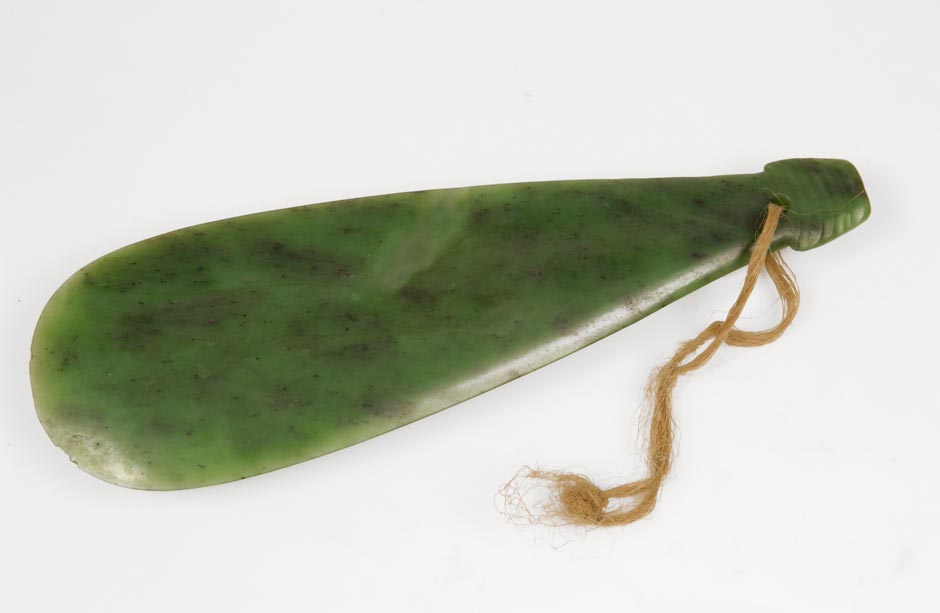
The word patu, in Maori language means to strike, hit, beat, or subdue. The patu sis generally made of greenstone and used to give the final blow, to kill someone.

Sunday, 29 May 2016

How are you?

Kei te pehea koe? - How are you?
Kei te pehea korua? - How are you? (2 people)
Kei te pehea kotou? - How are you? (3+ people)

Kei te pai ahau. - I am good/well/fine.
Kei te pai maua. - We (us 2, but not you) are good/well/fine.
Kei te pai matou. - We (us 3+, but not you) are good/well/fine.

Kei te pehea ia? - How is he/she?
Kei te pehea raua? - How are they? (2 people)
Kei te pehea ratou? - How are they? (3+ people)

Kei te pai ia. - He/she is good.
Kei te pai raua. - They (2 people) are good.
Kei te pai ratou. - They (3+ people) are good.

Emotions

Pai - Good/well/fine
Pouri - Sad
Harika - Happy
Riri - Angry
Mauiu - Sick
Ora - Well
Ngenge - Tired
Hiakai - Hungry
Hiainu  - Thirsty

Thursday, 26 May 2016

A video of speaking Maori

I can feel a drop of rain
He kopo ta marangai

Wednesday, 25 May 2016

Greetings and Farewells in Maori


Kia Ora - Hi, hello (informal greeting)
Tena koe - Hello (formal greeting - 1 person)
Tena Korua - Hello (formal greeting - 2 people)
Tena Koutou - Hello(formal greeting - 3+ people)
Tena koutou katoa - Hello (to all of you)

Morena - Good morning
Ata marie - Good morning

Po marie - Good night

Haere ra - Goodbye (to someone leaving)
E noho ra - Goodbye (to someone staying)
Ka kite ano - See you later
Hei kona ra - Goodbye (on the phone)

What to name people in Maori

E hoa - friend
E kare - very dear friend
E tama - boy
E hine - girl
E pa - sir
E whae - madam
E kui - elderly woman, grandmother
E koro - elderly man, grandfather
Koka/whaea - mother/aunt
Papa/matua - dad/uncle
Tamariki - children